Expectations

What people think they’re signing up for vs. what they actually get. We’ll cover the illusion of endless opportunities, the real dynamics of work environments, the craving for name recognition, and the disconnect between where creatives think the industry is going vs. its current (sometimes stagnant or elitist) state.
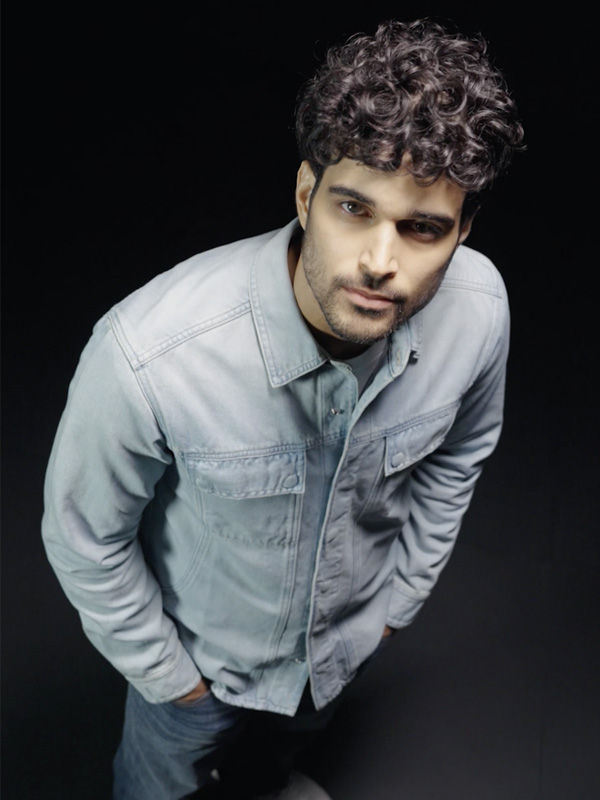
Rakel Sanchez

(Fashion Designer & Stylist)

Q: Ever thought “this is my dream job” and ended up steaming 100 shirts?
During an internship, I was promised creative work, but ended up being the designer’s therapist and steaming ribbons for decor. I learned nothing. Later, I collaborated with Shein—surprisingly smooth and clear compared to that mess.

"

I was promised creative work, but ended up being the designer’s therapist and steaming ribbons for decor.

What was your biggest reality check entering art direction?
I thought fashion was collaborative, but it’s the opposite—unless you’re in the “inner circle,” you’re invisible. We invited designers and influencers to events, and no one showed up. Styling is undervalued unless you're already known. Gaining access to showrooms is nearly impossible without a name. The biggest shock? Just how closed and elitist the circles are.

"

unless you’re in the “inner circle,” you’re invisible.

Manuela Alvarez

(Fashion Model)

Q: What do you love most about your job?
I love being able to express myself without saying a single word. Every pose, every look, every expression says something. I also love traveling to different places, meeting people—whether it’s new models just entering the industry or the rest of the crew—and being part of visual projects that inspire.

Sebastián Bedoya

(Photographer)

Q: What was the biggest reality check when entering the world of art direction?
The budget. You always want an amazing set, but people don’t understand the value of art direction. Especially here in Colombia, clients think it’s just “decorating”—something you can borrow or fake for cheap.
Small clients ask to borrow everything, medium ones complain about every cent, and only large clients actually budget for it properly because they understand it affects the outcome.
So yeah—the hardest reality check is either getting a budget for art direction or finding a location that fits your vision when you can’t build a set.
Q: What does art direction mean to you in photography, video, and set design?
Art direction, to me, is everything that builds the scene—props, accessories, set pieces, even the floor and background. Whether it’s for a shoot or a video, it’s the whole environment.

Amalia Triana

(Dancer)

Q: What expectation did you have before starting out that now feels totally disconnected from reality?
More than an expectation, it was a need: the dream of becoming a full-time professional dancer and artist, and making a living off of that. The hope was to find economically sustainable spaces without having to take a corporate job or something totally unrelated to my reality. The opportunities might be there, but they’re limited, and they don’t compare to the scale of creative work you see in other international cities. To survive, you have to take on very specific jobs that don’t necessarily reflect your artistic voice. You end up having to submit to the industry just to stay afloat.

"

To survive, you have to take on very specific jobs that don’t necessarily reflect your artistic voice. You end up having to submit to the industry just to stay afloat.

Q: What was the first thing that broke your heart in this industry?
One of the first things I noticed when I started working in this industry is that most people on a production don’t really understand—or even bother to research—the role of a dancer. They have no idea how much work it takes just to stand on that stage, so our work ends up being completely undervalued.
We don’t have many labor protections, so things often feel a bit shady and unprofessional—especially around payments.
What really broke my heart was realizing that my role in a production is rarely respected or protected. People think dancing and putting together choreography happens in a minute.

Martxel Montero

(Fashion stylist)

Q: When did you realize this job isn’t as glamorous as it seems?
The moment you do your first shoot, you get it. Styling looks glamorous from the outside—like you just pick clothes and go to fashion events. But the reality is: dragging heavy suitcases, organizing returns, chasing emails and invoices for hours… The glamour is either minimal or non-existent. What people see as glamorous is really just work disguised as fun.

Camila Villegas

(Owner and Founder of the clothing brand Drimia)

Q: What was your biggest reality check when entering the fashion world?
Definitely realizing that a brilliant idea in your head isn’t always commercially viable or well received by the public. Sometimes you design a piece you feel deeply connected to, and when you launch it, it doesn’t resonate the way you hoped.

Learning to balance creativity with what your audience actually wants has been a huge challenge. Design isn’t just about inspiration—it’s also about strategy, empathy for your client, and constant adaptation.

Gustavo Quiceno

(Art Director)

Q: What was your biggest reality check when entering the fashion world?
Realizing that many of the big names known in the industry weren’t actually that talented in practice. They were just names and contacts.